Sign language support planned for juvenile cases in Punjab
Punjab to appoint interpreters to aid children with disabilities in courts
To make the legal system more accessible and inclusive, the Punjab government has taken a major step by deciding to hire sign language interpreters, translators, and special educators under the Juvenile Justice Act, 2015. These professionals will also be empanelled under the Protection of Children from Sexual Offences (POCSO) Act, 2012. The move is aimed at supporting children with speech, hearing, or learning disabilities during court proceedings, making it easier for them to understand and participate in the justice process.
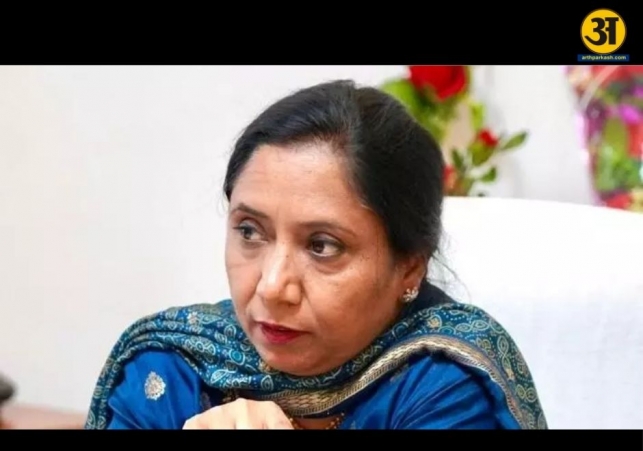
Punjab’s Social Security Minister Baljit Kaur shared this decision and said that the initiative is designed to bridge the communication gap that many children with disabilities face while dealing with the judicial system. This is expected to ensure that such children are not left behind and can fully access their rights under the law. The minister said the empanelment will help children understand what is happening in the courtroom and be able to express themselves clearly through the help of trained professionals.
This makes Punjab the first state in India to take such a step to ensure that children with disabilities are properly supported in legal matters, especially those involving serious crimes such as sexual offences. By providing professional support, the government hopes to bring more transparency and fairness to court proceedings involving such children.
Experts to help in court cases and get paid as per law
The professionals who will be hired under this system include sign language interpreters, language translators, and special educators. Their role will be to help children with special needs communicate better during court proceedings. These experts will assist the child by explaining what is happening and help them respond when asked questions. This way, the child’s side of the story can be heard clearly, and justice can be served properly.
These experts will be deployed in every district of Punjab so that no child is left out due to lack of resources. The government has made it clear that they will be paid as per the rules under the Juvenile Justice and POCSO Acts. The support provided by these professionals will also be timely and continuous, which means they will be present whenever needed and won’t be limited to just one hearing.
Minister Baljit Kaur said that this step will lead to more impartial and transparent court outcomes, as children with disabilities often face difficulties in expressing themselves or understanding legal language. When professionals are present to help, these children will not feel alone or helpless. This will create a safer and more supportive environment for them in legal settings.
ALSO READ: Political unity or power pact? Inside India’s most enduring political alliances
ALSO READ: India holds strategic cards as Trump’s rhetoric escalates
Punjab already sets an example in inclusive communication
It is important to note that Punjab has already shown its commitment to accessible communication in the past. The state government has broadcasted important Punjab Vidhan Sabha (Legislative Assembly) sessions in sign language, making it easier for people with hearing disabilities to understand what decisions are being made in the state. This was one of the first such efforts in India and received praise for being inclusive.
Now, with this new move under the Juvenile Justice and POCSO Acts, the Punjab government is continuing that effort to include everyone—especially vulnerable children—in the justice system. The government wants to make sure that no child is left unheard or misunderstood just because they cannot speak or hear like others.
The minister also stated that continuous support will be provided by these empanelled professionals, meaning their presence won’t be temporary or symbolic. Instead, they will be a permanent part of the system whenever needed, providing long-term help to children across the state.
By taking this action, Punjab is not only setting an example for other states but is also showing its commitment to protecting the rights of every child, especially those who need extra support. The state’s focus on inclusive justice may inspire similar efforts in other parts of India in the near future.
Related News